Why cutting corners on stems costs more over time
Posted on 04/10/2026
If you've ever been tempted to shave a little off the stem length, skip a proper trim, or grab the quickest possible arrangement, you're not alone. On the surface, it looks harmless. A tiny shortcut. A small saving. But in floristry, those shortcuts often come back quietly and cost more over time. That's the real story behind why cutting corners on stems costs more over time: the hidden losses build up in vase life, presentation, customer trust, rework, and waste.
Whether you're buying flowers for home, ordering for an event, or comparing bouquets for delivery, the stem is doing more work than most people think. It affects hydration, balance, structure, transport, and how long the flowers stay fresh. Get it wrong and the flowers may still look fine for a moment. A day later, not so much. Let's face it, flowers are a beautiful purchase, but they are not forgiving of rushed decisions.
This guide breaks down what stem quality and stem care actually do, why shortcuts drain value, and how to avoid the expensive little mistakes that tend to hide in plain sight. We'll keep it practical, plain-English, and useful enough to help you choose better the next time you're standing in front of a bouquet, wondering if "good enough" is really good enough.
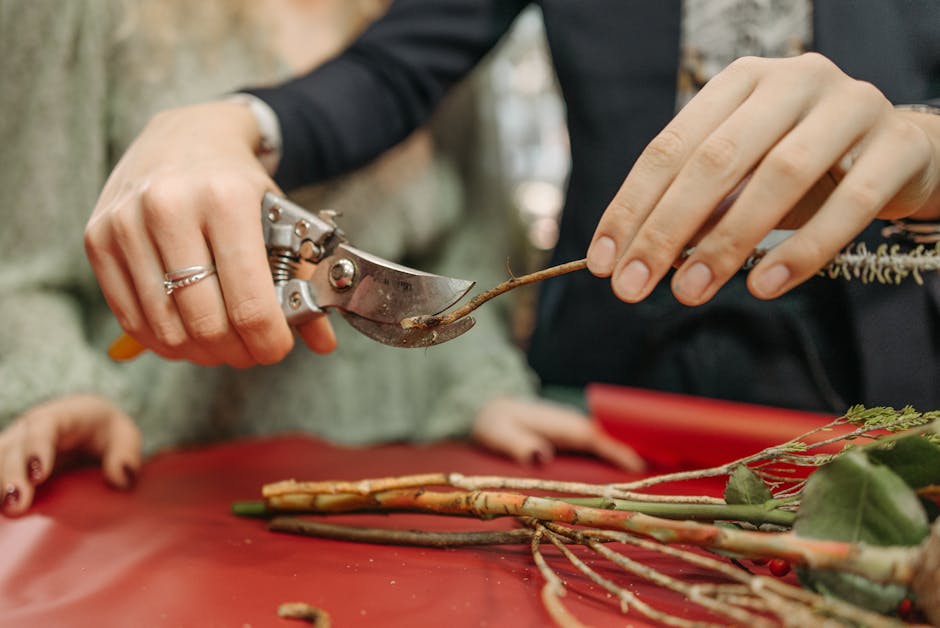
Table of Contents
- Why this matters
- How the problem works
- Key benefits and practical advantages
- Who needs this and when it makes sense
- Step-by-step guidance
- Expert tips for better results
- Common mistakes to avoid
- Tools, resources and recommendations
- Law, compliance, standards, or best practice
- Options, methods, or comparison table
- Case study or real-world example
- Practical checklist
- Conclusion
- Frequently asked questions
Why Why cutting corners on stems costs more over time Matters
People often think "stem" is just the bit that holds the flower up. In reality, it's the flower's supply line. It moves water and nutrients, keeps the bloom upright, and helps the arrangement hold its shape. When the stem is damaged, cut badly, left too long out of water, or handled carelessly, the flower starts working against you. It wilts sooner, droops unevenly, and loses that fresh, just-delivered look that made it worth buying in the first place.
The money issue is simple. A bouquet that looks lovely for two days instead of five is not just disappointing; it's poor value. You may also spend more on replacement flowers, emergency same-day orders, or extra maintenance. For weddings and events, the stakes are higher. A weak stem can buckle in transit, collapse in heat, or create a patchy display that needs last-minute fixing. That kind of scramble is never cheap, and it never feels calm.
There's another layer too: presentation. Flowers are judged instantly. A slightly bent stem in a vase arrangement, a buttonhole that sags before the photographs, or a sympathy spray that arrives looking tired can all change how the entire purchase is perceived. In a very real way, stem care is part of the product, not an afterthought.
Expert summary: if the stem is rushed, the whole arrangement pays for it later. The cost shows up in shorter vase life, weaker structure, more waste, and more replacements than you expected.
That's why this issue matters to anyone buying flowers for personal use, gifting, hospitality, or events. The upfront saving from a shortcut is usually tiny. The long-term cost, though, can be surprisingly stubborn.
How Why cutting corners on stems costs more over time Works
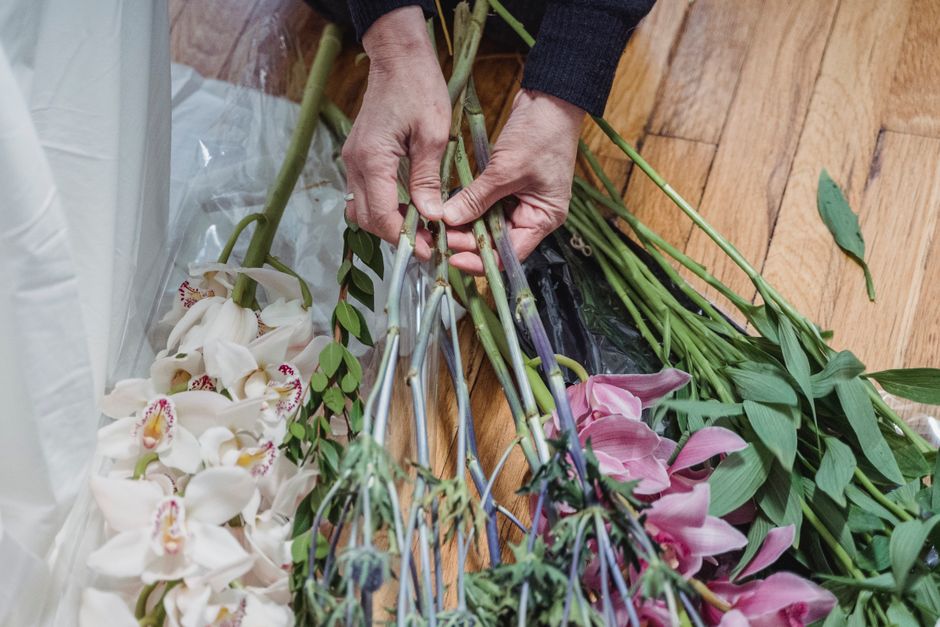
To understand the hidden cost, it helps to know what a stem actually does after cutting. A fresh cut opens the water pathways. If the cut is clean and the stem is placed into clean water quickly, the flower can keep drinking properly. If the cut is crushed, angled badly, or left exposed for too long, air bubbles and blockages can interrupt that flow. The result? Poor hydration. And once hydration suffers, the rest follows.
Here's the chain reaction in plain terms:
- The stem is cut too quickly or poorly.
- Water uptake drops because the vascular channels are restricted.
- The bloom becomes less stable and loses firmness.
- Petals and leaves begin to age faster.
- The arrangement looks tired sooner, so its useful life shortens.
- You replace it, repair it, or accept a lower-quality result.
That chain can start before the flowers even reach the vase. In transport, a bundle with weak stems may rub, bruise, or bend. In a warm room, the problem speeds up. On a hectic delivery day, the issue can be as simple as poor timing - flowers left out of water on a counter near the till, while someone answers the phone and sorts a card. Tiny delay, big effect. Truth be told, that happens more often than people admit.
There's also a design side to it. A bouquet with stems cut to the wrong length can feel top-heavy, awkward, or hard to place in a vase. Then the customer trims it themselves, sometimes too much, sometimes unevenly. One over-trim and the arrangement no longer sits properly. It's a small mistake, but it can make the whole bunch feel less premium.
For florists and retailers, the extra cost is not always obvious on the invoice. It appears in customer complaints, refunds, wasted stock, and repeat effort. For buyers, it appears when a "great deal" needs replacing a day or two later. The maths is annoyingly simple.
Key Benefits and Practical Advantages
Getting stems right is not about perfectionism. It's about making the flowers do what they were meant to do for as long as possible. When stem handling is proper, the benefits show up quickly, and not just in how pretty the bouquet looks on the day it arrives.
- Longer vase life: clean, well-cared-for stems help flowers drink properly and stay fresher for longer.
- Better presentation: balanced stems make arrangements sit correctly in vases, boxes, and hand-tied designs.
- Fewer replacements: good stem care reduces the chance you'll need to reorder or fix a failing arrangement.
- Less waste: flowers that last longer are less likely to be binned early.
- Better customer satisfaction: a bouquet that looks good on day one and day three feels worth the spend.
- More reliable event work: weddings, sympathy flowers, and corporate displays are far easier to manage when stems are strong and consistent.
There's a quieter advantage too: confidence. When you know the stems have been handled properly, you stop second-guessing the arrangement. You're not hovering over the vase thinking, "Will this collapse by Friday?" That peace of mind matters, especially if you're buying for a moment that already has enough moving parts.
For regular flower buyers, the practical takeaway is straightforward. Better stem quality and care usually mean better value per pound spent, even if the initial price is slightly higher. Over time, that's where the saving sits.
Who This Is For and When It Makes Sense
This topic matters to more people than you might first think. It's not just for florists with buckets and secateurs. It's for anyone who wants flowers to last, look intentional, and feel worth the money.
You'll especially notice the difference if you are:
- Buying bouquets for home: you want something that still looks lovely after the weekend, not something that slumps by Tuesday.
- Ordering gifts: a birthday or thank-you bouquet should feel generous and fresh, not rushed.
- Planning weddings: stems need to be dependable because there's no easy reset on the day.
- Organising sympathy flowers: these arrangements need careful handling and a dignified finish.
- Managing hospitality or office flowers: repeated poor stem care adds ongoing replacement cost.
- Running a florist business: stem shortcuts can quietly damage reputation and margins at the same time.
There are also moments when cutting corners feels tempting. A busy morning. A last-minute order. A customer wants the cheapest option possible. A delivery route is already running late. We've all been there. But that is exactly when the long-term cost tends to sneak in. The rushed job becomes the expensive job.
If you buy flowers regularly, there's a strong case for choosing arrangements with proven freshness, sensible stem lengths, and proper care instructions. If you sell flowers, there's an even stronger case, because you're not just selling blooms - you're selling reliability. That distinction is easy to miss, but it matters.
Step-by-Step Guidance
If you want to avoid the hidden costs, focus on the basics that protect the stem from the start. These steps are simple, but they work.
1. Start with quality flowers
Fresh flowers with firm stems, healthy leaves, and clean cut ends are always the safer choice. Avoid blooms that already show browning, limp necks, or soft, damaged stems. Those problems rarely improve later. They usually get worse, rather predictably.
2. Cut stems cleanly
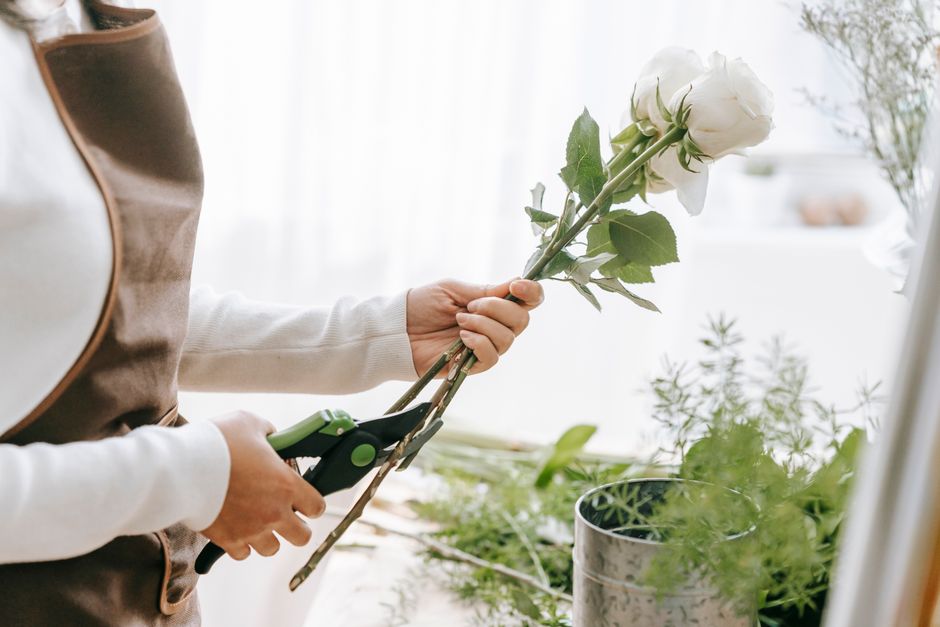
Use a sharp blade or florist's cutter rather than crushing the stem with blunt scissors. A clean cut helps water travel up the stem more effectively. Trim at an angle where appropriate, and avoid hacking away at the end like you're doing DIY with a bread knife. Mild joke, but not far off the truth.
3. Place stems in water quickly
Don't leave cut flowers sitting around on a counter while you sort the wrapping paper or answer messages. Even a short delay can affect hydration. Keep a clean bucket or vase ready before you trim.
4. Remove lower leaves
Leaves below the waterline rot quickly and can make the water dirty. Dirty water shortens vase life and encourages blockages. It's not glamorous work, but it matters. Especially in warm rooms or busy shops.
5. Match stem length to the arrangement
A bouquet should feel balanced in the hand and in the vase. Too much stem can make the arrangement awkward and unstable. Too little can make it look squat or cluttered. The right length depends on the flower type, vessel, and purpose.
6. Keep water and containers clean
Fresh water is not optional. Nor is a clean vase. Old residue, bacteria, and slime all reduce flower life. If a display smells a bit sour, that's a sign to change the water sooner rather than later.
7. Recut and refresh when needed
If flowers have been out for a while, a small recut can help restore water uptake. It's a useful habit for gifts at home too. Many people never do this, then wonder why the arrangement gave up early. Flowers are a bit like people after a long day - they do better with a fresh drink and a tidy up.
Expert Tips for Better Results
Once the basics are in place, the next gains come from small professional habits. These are the sort of details that separate a decent arrangement from one that feels quietly excellent.
- Use the right stem support for heavy blooms: roses, lilies, and large-headed flowers often need extra structural support in arrangements.
- Control temperature where possible: cooler conditions usually help flowers last longer, especially in transit or storage.
- Group flowers by water need: not every stem behaves the same, so mixed arrangements may need different care over time.
- Watch for bruising during transport: a stem that gets knocked against packaging may not fail immediately, but it can weaken later.
- Order with the final setting in mind: a bouquet for a hall, a bedside table, or a reception desk may need a different stem style than one for a home kitchen table.
- Choose the right value point: a cheaper bunch can be fine, but only if the stems are healthy and the arrangement is fit for purpose.
One thing experienced florists notice quickly: the most expensive flower is often the one that has to be replaced. That's why it can be smarter to buy slightly fewer stems of better quality than to pack a bouquet with weaker ones. The arrangement looks calmer, the mechanics improve, and the whole thing tends to last longer.
Also, do not underestimate the impact of the vessel. A stem that is cut too short for a deep vase, or too long for a shallow bowl, can create a wobble that puts strain on the whole design. Small thing, big consequence.
Common Mistakes to Avoid
Most problems are not dramatic. They're ordinary. That's what makes them costly. People repeat them because they seem harmless in the moment.
- Using blunt tools: crushed stems struggle to absorb water properly.
- Leaving flowers out too long: even short delays before hydrating can shorten life.
- Ignoring dirty containers: bacteria build-up quietly ruins freshness.
- Choosing by price alone: cheap flowers can be good value, but only if the stems and condition support it.
- Over-trimming at home: too much cut off at once can upset the balance of the bouquet.
- Forcing one stem length for every flower: different varieties need different handling.
- Assuming the arrangement will "sort itself out": it won't. Flowers are lovely, but they are not miracle workers.
A subtle mistake many people make is buying for appearance only, with no thought for aftercare. The bouquet may look wonderful in the shop, then go into a kitchen with a warm radiator nearby and a sunny windowsill. By lunch the next day, the stems are under stress. The flowers did not change; the conditions did. That is often where the real cost begins.
Tools, Resources and Recommendations
You do not need a whole workshop to care for stems properly. A few good basics make a real difference.
- Sharp florist scissors or a clean knife: useful for making clean cuts without crushing tissue.
- Clean buckets or vases: essential for holding flowers in fresh water.
- Fresh water: simple, but crucial.
- Flower food: when provided, it can support hydration and help keep water cleaner for longer.
- Soft wrapping or packaging: helps protect stems during transport.
- Care instructions: useful for buyers who want to get the most from a bouquet at home.
If you're buying flowers for a specific occasion, it helps to choose a retailer that also thinks about aftercare and fulfilment, not just the initial display. Pages like flower care guidance, delivery information, and service guarantees can give you a better sense of what happens after you place an order. For buyers on a tighter budget, the budget flowers range may be a sensible place to start, especially if you still want structure and freshness rather than just the lowest possible price.
For longer-lasting displays or gift planning, it can also help to browse different occasion ranges such as best sellers or florist choice. Those options often make the stem decision a little easier because the arrangement is already built with balance in mind.
If you ever need to check order details, delivery questions, or a bespoke request, the contact us page is the natural next stop. Simple, really.
Law, Compliance, Standards, or Best Practice
For most flower buyers, there is no complex legal issue here. Still, good practice matters, especially for businesses, events, and public-facing displays. In the UK, businesses are generally expected to handle products responsibly, present them honestly, and avoid misleading quality claims. That includes floral goods described as fresh, premium, hand-tied, or long-lasting. If the stem handling undermines those claims, the customer experience suffers - and in some cases, that can become a complaint issue.
For florists and corporate suppliers, best practice usually means:
- keeping flowers in appropriate conditions before sale or delivery,
- using clean tools and containers,
- following sensible hygiene routines,
- being transparent about care requirements, and
- making sure the arrangement matches the occasion and expected lifespan.
There is also a duty of care angle. If a bouquet is meant for a wedding aisle, a funeral tribute, or a corporate event, poor stem choice can create avoidable disappointment at a very sensitive moment. That's not just a quality issue; it's a trust issue. And trust, once dented, is harder to rebuild than a vase arrangement in a hurry.
If you want to understand the retailer's values a bit better, it can also help to read pages like sustainability, returns and refunds, and about us. They don't replace good stem handling, of course, but they do signal how carefully a business thinks about its products and customers.
Options, Methods, or Comparison Table
When it comes to stems, the real choice is usually between saving a little now or saving more later. Here's a straightforward comparison.
| Approach | What it looks like | Short-term result | Long-term cost |
|---|---|---|---|
| Cutting corners | Quick trims, weak handling, minimal care | Cheaper at checkout, faster in the moment | Shorter vase life, more waste, more replacements |
| Basic good practice | Clean cuts, fresh water, sensible stem length | Reliable and tidy | Lower replacement rate, better value overall |
| Premium handling | Careful conditioning, strong support, thoughtful design | Best presentation and stability | Highest value for events, gifts, and repeat customers |
The table tells the story pretty clearly. "Cheapest" is not always cheapest. In flowers, the lower-effort option often becomes the higher-cost option once you factor in replacement, disappointment, and wasted time. The more sensitive the occasion, the more true that becomes.
Case Study or Real-World Example
Picture a small office ordering a weekly arrangement for reception. The first few weeks, they choose the lowest-cost option available and don't worry too much about stem length or handling. The bouquets look fine on Monday. By Thursday, the lower stems are softening, one side is drooping, and the vase starts looking a bit tired under the bright office lights. Someone trims the stems too short to "help" and the display ends up too low for the desk. Annoying, but manageable.
Then they switch to a better-balanced arrangement with cleaner stem conditioning and a more suitable stem length for the vase they actually use. The flowers last longer, the reception area looks more consistent through the week, and the team stops fiddling with the display every other day. The spend may be a little higher on paper, but the real cost goes down because the flowers do their job properly.
The same pattern shows up in private homes. A birthday bouquet arrives on Friday evening, and by Sunday night it still looks full because the stems were handled well and the water was changed promptly. That means the gift still has presence when family or friends are around on Monday. A tiny detail, yes. But it changes how the whole thing feels.
That is what "costs more over time" really means here. It is not one giant failure. It is a series of small let-downs that quietly add up.
Practical Checklist
Use this quick checklist before you buy, arrange, or display flowers. It keeps the stem issue simple.
- Are the stems firm, clean, and free from damage?
- Has the bouquet been hydrated quickly after cutting?
- Is the stem length right for the vase or display?
- Has any lower foliage been removed from the waterline?
- Is the container clean and filled with fresh water?
- Do the flowers match the occasion and expected lifespan?
- Has the arrangement been kept out of heat where possible?
- Are care instructions included or understood?
- Will the display still look balanced after a day or two?
- Is the cheaper option actually cheaper once replacement is considered?
If you can tick most of those boxes, you're already ahead of the game. Not glamorous, perhaps, but reliable. And reliability is the quiet hero in flower buying.
Conclusion
Cutting corners on stems feels small in the moment, which is exactly why it is so easy to underestimate. But the hidden cost is real: shorter vase life, weaker structure, more waste, more replacements, and more frustration than anyone wants from something meant to bring pleasure. When stems are handled properly, flowers last longer, look better, and offer better value. Simple as that.
The best decision is usually not the flashiest one. It's the one that keeps the arrangement looking lovely when the first fresh-cut excitement has faded a little and the flowers are still doing their job. That's where the real savings live.
If you're choosing flowers for a gift, an event, or your own table this week, take the stem care seriously. It's a small detail with a long shadow.
Get a free quote today and see how much you can save.
Frequently Asked Questions
Why do cut stems make such a big difference to flower life?
Because the stem is the flower's water pathway. If it's cut badly, damaged, or left too long without water, the bloom cannot hydrate properly and it fades sooner.
Is a cheaper bouquet always worse value?
Not always. A budget bouquet can still be good value if the stems are healthy and the flowers are fresh. The problem is when low price comes with poor stem handling and a short life.
How soon should stems be placed in water after cutting?
As quickly as possible. The longer stems sit dry, the more likely they are to draw in air and lose efficient water uptake. A short delay can matter more than people think.
What is the most common stem mistake people make at home?
Over-trimming or using dull scissors. Both can shorten vase life and make the arrangement unstable. Clean, careful cuts are much better.
Do longer stems always mean better flowers?
No. Longer stems can be useful for some arrangements, but only if they suit the vase and the design. Too much stem can make a bouquet awkward or top-heavy.
How can I tell if stems are already compromised?
Look for softness, browning, split ends, bent necks, or stems that feel crushed rather than firm. Those are signs the flowers may not last as well.
Does flower food actually help stems last longer?
It can help, especially when used correctly with clean water and a clean vase. It is not magic, though. Good stem handling still matters most.
Why do flowers sometimes droop even when they look fresh?
That can happen if the stem is blocked, bruised, or cut poorly. The bloom may still look lively for a while, but water movement is not keeping up.
What's the best way to reduce waste from flowers?
Choose flowers with stronger stems, keep water clean, recut stems when needed, and match the arrangement to the setting. Better longevity usually means less waste.
Are some flower types more sensitive to stem shortcuts than others?
Yes. Some blooms are naturally more delicate, while others are more forgiving. In mixed bouquets, one weak stem type can affect the whole look if it fails early.
What should I prioritise if I'm buying flowers for an event?
Stability, freshness, and suitability for the venue conditions. A beautiful arrangement is no use if the stems collapse before the important part of the day.
Can proper stem care really save money over time?
Yes. It usually reduces replacements, complaints, waste, and the need for emergency fixes. That is where the savings build up, quietly but steadily.
And if you remember only one thing, make it this: flowers don't just cost what you pay at checkout. They cost what you lose when they fail too soon. Care for the stems, and the rest tends to follow.