The Science Behind How Flowers Instantly Uplift Your Mood
Posted on 06/09/2025
The Science Behind How Flowers Instantly Uplift Your Mood
Flowers have a unique and enduring place in human culture, celebrated for their natural beauty, charming scents, and ability to brighten up any space. More than just decorative elements, flowers positively impact our mood in remarkable ways. Understanding the science behind why flowers make us happy reveals fascinating insights into how nature and psychology intertwine to foster emotional well-being.
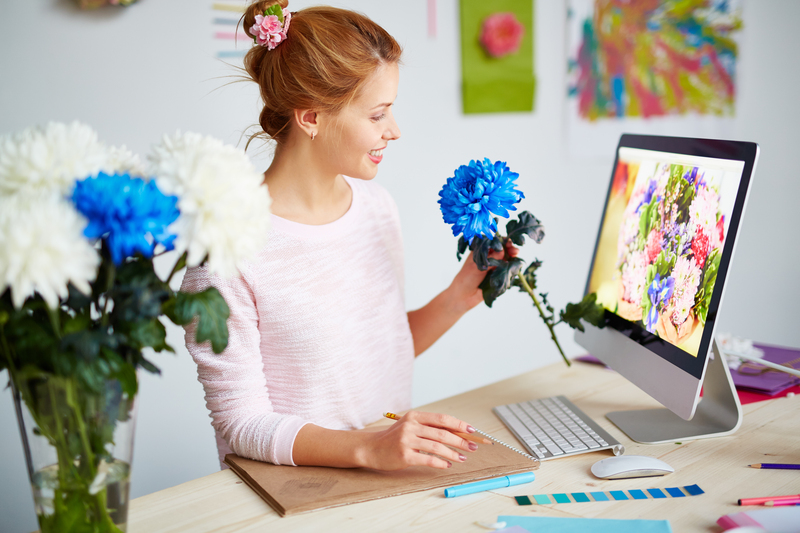
Why Do Flowers Have Such a Powerful Impact on Our Emotions?
It's a question researchers and curious minds alike have explored for centuries: Why do flowers instantly boost our spirits? The answer lies in the complex relationship between human psychology, sensory processing, and social communication. Fresh blooms stimulate our senses, evoke memories, and influence brain chemistry--all contributing to a genuine emotional shift.
- Visual delight: Colorful petals evoke positive emotions and memories.
- Fragrance: Floral scents stimulate regions in the brain linked to pleasure.
- Social meaning: Flowers symbolize affection, sympathy, and celebration, strengthening social bonds.
The Psychology of Flower Power
Humans are naturally drawn to beautiful natural elements, and flowers are among the most visually striking. This attraction is not accidental. According to research in environmental psychology, natural elements like plants and flowers can reduce anxiety, improve memory, and increase feelings of happiness almost immediately.
- Biophilia hypothesis: This principle suggests that humans are innately connected to nature, which explains our affinity for flowers.
- Color psychology: The bright colors of flowers can trigger the brain to release dopamine, the "feel-good" neurotransmitter.
Neuroscientific studies have found that viewing flower arrangements can:
- Lower cortisol (the stress hormone) levels
- Reduce heart rate and blood pressure
- Increase feelings of comfort, security, and joy
How Flowers Influence Mood: What Research Says
Several groundbreaking studies have delved deep into the mood-boosting effects of flowers:
- Rutgers University Study (2005) found that receiving flowers leads to instant and lasting mood improvements, reducing symptoms of depression and anxiety.
- Harvard University researchers discovered that keeping flowers at home increases compassion, reduces stress, and fosters more energy and enthusiasm for daily life.
- Texas A&M University revealed that flowers enhance creative problem-solving skills and workplace productivity by fostering a positive environment.
Sensory Triggers: How Flowers Activate Your Brain
The multi-sensory nature of flowers is crucial to their emotional impact. Here's how flowers stimulate your mood through multiple channels:
- Visual stimulation: Bright, vibrant blossoms can act as natural antidepressants. Exposure to vivid floral colors like yellow, pink, and orange can increase serotonin and dopamine production, immediately improving mood.
- Fragrant influence: Aromatherapy uses floral scents (like lavender, rose, or jasmine) to relax the nervous system. Inhaling these scents directly affects the limbic system, the area of the brain responsible for regulating emotions.
- Tactile connection: The act of arranging flowers, touching petals, or gardening provides a form of mindful meditation, reducing anxiety and promoting calmness.
The science behind plant therapy proves that simply being around flowers creates measurable changes in physiological and psychological states.
Flower Colors and Their Psychological Effects
Each flower color can evoke specific emotional responses. Here are some noteworthy effects of popular flower hues:
- Red: Stimulates excitement, passion, and energy.
- Yellow: Associated with happiness, optimism, and warmth.
- Blue: Induces calmness, tranquility, and peace.
- Purple: Elicits creativity and inspiration.
- White: Symbolizes purity, simplicity, and serenity.
- Pink: Promotes tenderness, love, and comfort.
The Social and Cultural Importance of Flowers
From ancient rituals to modern expressions of affection, the act of giving and receiving flowers is deeply embedded in social customs. Gifting flowers signals care, support, and emotional connection, which can trigger the release of oxytocin, sometimes called the "love hormone." This, in turn, strengthens relationships and creates positive emotional cycles.
Psychologists term this phenomenon the "flower effect"--a unique emotional lift that flowers provide not just to the receiver but also to the giver. Genuine smiles, improved social interaction, and elevated mood are all outcomes of this simple act.
How Keeping Flowers in Your Home and Workspace Can Change Your Life
Beyond special occasions, incorporating flowers into daily spaces is proven to offer long-term mental health benefits. Here's how:
- Enhanced concentration: Regular exposure to flowers and greenery in your workspace is linked to better focus, higher productivity, and creativity.
- Faster recovery: Hospital patients with flowers in their rooms report less pain, faster healing, and better overall moods.
- Daily positivity: Simple acts like placing a fresh bouquet on breakfast tables can set a positive tone for the day.
- Connection with nature: Even brief interactions with flowers can give a restorative "nature fix," recharging your mind and body.
The Biological Basis: How Your Brain Responds to Flowers
So, what's happening inside your brain when you see or smell flowers? Here's the reproductive science:
- Dopamine release: The pleasure and reward centers in the brain (the ventral striatum) become active when we see aesthetically pleasing flowers.
- Serotonin increase: Their colors and scents trigger serotonin production, generating happiness and contentment.
- Cortisol reduction: The relaxing influence of flowers notably lowers stress hormones.
- Oxytocin boost: Giving or receiving flowers fosters trust, connection, and warmth between people.
Scientific imaging techniques like fMRI now demonstrate that interacting with flowers stimulates areas of the brain linked with positive emotions, empathy, and memory formation.
Flower Therapy and Modern Wellbeing Practices
The concept of "flower therapy" is gaining traction among wellness professionals who recognize the tangible impact of flowers on emotional wellbeing. Florists, therapists, and even medical practitioners recommend the strategic use of flowers for their gentle therapeutic effects.
- Flower arranging (Ikebana): This Japanese art form is an active mindfulness practice that reduces stress, encourages presence, and sparks creativity.
- Floratherapy: Certain practices use flowers for emotional healing by leveraging color, scent, and symbolism.
- Aromatherapy: Many essential oils (like lavender, rose, and ylang-ylang) are derived from flowers and used to manage anxiety and uplift mood.
Modern psychology recognizes that simple interactions with flowers--from receiving a bouquet to tending a small garden--can serve as everyday boosts for mental resilience.
Flowers and Positive Lifestyle Habits
Incorporating fresh flowers into your lifestyle encourages several healthy habits:
- Mindful mornings: Starting your day by appreciating flowers increases gratitude and sets a positive mindset.
- Creative expression: Arranging fresh blooms stimulates creativity.
- Self-care rituals: Treating yourself to flowers is a simple act of kindness to nurture your emotional health.
How to Maximize the Mood-Enhancing Benefits of Flowers
Looking for practical ways to harness the mood-boosting power of flowers? Here's how to make the most of their uplifting properties:
- Display fresh flowers in high-traffic areas: Kitchens, living rooms, and workspaces are ideal places where you'll see and enjoy them often.
- Choose fragrant and colorful varieties: Select flowers like lilies, freesias, or peonies for scent and choose bright hues to energize your atmosphere.
- Engage in flower arranging: Take a few mindful moments to create your own bouquets, encouraging creativity and stress reduction.
- Give flowers generously: Extend the joy to friends, family, and coworkers. The emotional lift is just as strong for the giver as the receiver.
- Grow your own garden: Tending to plants and flowers outdoors amplifies mood improvements via exposure to sunlight and fresh air.
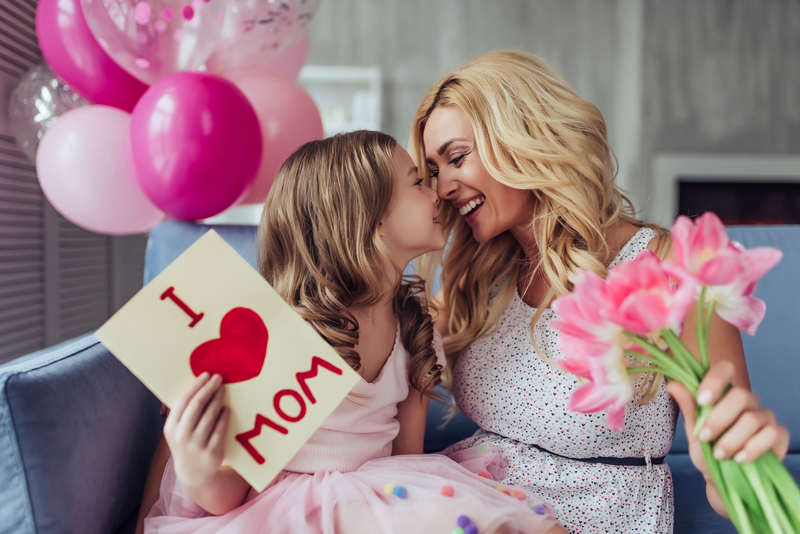
Flowers for Every Mood: Choosing Blooms by Emotional Benefit
Certain flowers are particularly renowned for their mood-enhancing qualities. Here are some favorites:
- Roses: Promote feelings of love, comfort, and romance.
- Sunflowers: Inspire optimism, positivity, and happiness.
- Lavender: Calms anxiety and encourages relaxation.
- Tulips: Spark cheerfulness and a sense of renewal.
- Peonies: Encourage gentleness and mindful reflection.
- Daisies: Evoke innocence, purity, and joy.
Take note: The sight and scent of your favorite flower can deliver a personal emotional boost, so select blooms that deeply resonate with you.
Conclusion: Let Flowers Brighten Your Life
There's now no doubt, both scientific and anecdotal, that flowers instantly uplift your mood. Their power stems from a fascinating blend of sensory stimulation, emotional symbolism, and biological response. By making flowers a part of your daily environment--whether through fresh bouquets, gardening, or giving blooms to loved ones--you can experience a genuine and lasting improvement in overall happiness and wellbeing.
So next time you're seeking a natural mood enhancer, remember the science-backed magic of flowers. Let their beauty, color, and fragrance revitalize your mind and spirit.
Latest Posts
Bring Lasting Color Home with These 12 Resilient, Long-Lasting Blooms
Creative Ways to Make Your Flowers Last Longer at Home
How to Find Out Your Birth Flower and the Surprising Meanings It Holds For You