Make a Lasting Table Centrepiece: Steps for Any Budget
Posted on 17/04/2026
A good table centrepiece does more than fill space. It sets the tone for the room, helps people feel welcome, and gives a gathering that finished, considered look that guests remember long after the meal ends. Whether you are planning a wedding reception, a dinner party, a charity event, or a special family celebration, you can make a lasting table centrepiece without overspending. The trick is not buying more; it is choosing better, building in stages, and designing with longevity in mind.
In this guide, you will find a practical, budget-aware approach to creating a centrepiece that looks polished on the day and still feels beautiful afterwards. We will cover the design decisions that matter, the easiest flowers and materials to work with, how to stretch a smaller budget, and where to save without making the arrangement look cheap. If you want help choosing flowers for the occasion, browsing florist choice bouquets, or exploring wedding table arrangements, those pages are a useful place to start. And if you are planning delivery around a set date, it also helps to check the details on delivery options and flower care.
The result should feel intentional, not overcomplicated. A centrepiece can be simple and still look expensive. Truth be told, some of the most memorable tables use only a few well-chosen elements arranged with restraint.
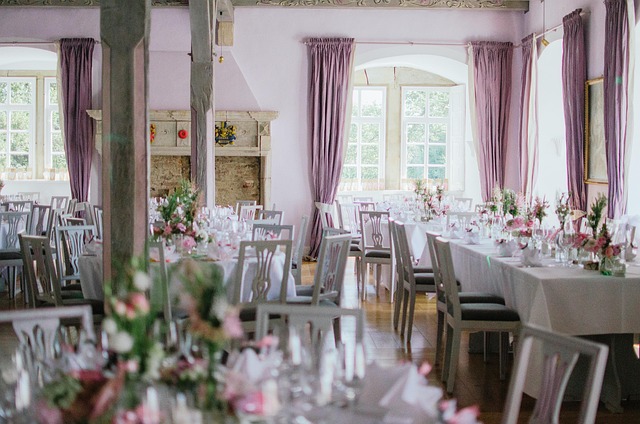
Table of Contents
- Why making a lasting table centrepiece matters
- How the centrepiece process works
- Key benefits and practical advantages
- Who this is for and when it makes sense
- Step-by-step guidance
- Expert tips for better results
- Common mistakes to avoid
- Tools, resources and recommendations
- Law, compliance, standards and best practice
- Options, methods and comparison table
- Case study or real-world example
- Practical checklist
- Conclusion
- Frequently asked questions
Why Make a Lasting Table Centrepiece: Steps for Any Budget Matters
A table centrepiece is one of those details people notice even when they do not consciously realise they are noticing it. It shapes the visual rhythm of the table, creates a focal point, and helps tie together linen, crockery, candles, and the overall colour palette. In weddings and formal events, it can quietly elevate the entire room. At home, it can turn a normal meal into something that feels more special.
What makes a centrepiece "lasting" is not just how long the flowers survive. It is whether the design still looks good after a few hours, whether it suits the table size, and whether it can be adapted for other uses afterwards. A well-made arrangement may be moved from the dining table to a sideboard, gifted to a host, or reused as a mantle display. That matters if you are trying to get real value from your budget.
Budget also changes the design strategy. With a larger spend, you can include more stems, premium blooms, and layered accessories. With a smaller budget, the goal is to maximise impact through shape, repetition, and smart flower choice. The same design principles apply either way: balance, proportion, contrast, and freshness. The difference is in how efficiently you use your materials.
If you are shopping for an occasion, the flower type and arrangement style should match the purpose. For a celebratory table, you might look at cheerful mixed colour flowers or soft white flowers. For something more romantic, roses are a classic choice. If you need something more everyday-friendly, affordable flowers can still be styled beautifully.
How Make a Lasting Table Centrepiece: Steps for Any Budget Works
The process is simple once you strip away the jargon. First, you decide the purpose of the arrangement. Is it for a wedding table, a birthday dinner, a sympathy setting, a corporate lunch, or a seasonal display? That answer determines the mood, the colour scheme, and the size.
Next, you choose the format. A centrepiece can be a low floral arrangement, a vase display, a basket, a posy bowl, a candle-and-flower combination, or a mixed design using foliage, fruit, or decorative branches. Low designs work well where conversation matters. Taller designs suit wider spaces or tables where people are seated farther apart. For a polished finished look, many people choose arrangements in a vessel; for example, flowers in a vase are practical and easy to position.
Then comes the material strategy. The key to a lasting design is using flowers and mechanics that hold shape well. Stem support, hydration, and careful spacing all help. Long-lasting blooms such as carnations, chrysanthemums, alstroemeria, and germini are often budget-friendly choices that still give a full, structured finish. For a more luxurious feel, you might layer in lilies or select one of the more premium ranges such as luxury flowers.
Finally, the arrangement is built in layers: foundation greenery or base stems, focal flowers, filler blooms, and finishing accents. This layered approach creates depth. Without it, even expensive flowers can look flat. With it, a modest arrangement can look as though far more time and money went into it than actually did.
Key Benefits and Practical Advantages
A thoughtfully made centrepiece gives you several benefits beyond decoration. The obvious one is visual impact, but the practical advantages are just as valuable.
- It creates instant cohesion. A centrepiece ties together tableware, linens, candles, and room decor.
- It supports the mood of the event. Soft and elegant arrangements feel calm; bright mixed arrangements feel lively.
- It can be scaled to any budget. You do not need a large spend to create a strong focal point.
- It can last beyond the event. If chosen carefully, the flowers can be moved or reused.
- It reduces waste. Smart sizing and flower selection help you avoid over-ordering.
Another benefit that is easy to overlook: a good centrepiece photographs well. That matters for weddings, parties, and corporate events where the table is often captured from above or at an angle. A neat arrangement with depth and colour will look better in pictures than a loosely gathered bunch that has not been shaped for the table.
There is also a budget value point. Using seasonal options, reusable vessels, or multi-purpose arrangements can make your spend stretch further. If you are ordering for multiple tables, browsing the best sellers can help you identify styles that have already proved popular and versatile.
Who This Is For and When It Makes Sense
This approach suits a wide range of people. You may be planning a wedding and need several table centrepieces that feel consistent without dominating the room. You may be hosting a birthday lunch and want the table to feel festive without becoming cluttered. Or you may be organising a memorial gathering, where a tasteful floral display needs to feel calm and respectful.
It also makes sense if you are working with different budget levels across the same event. For example, a couple might choose a stronger arrangement for the top table and simpler versions for guest tables. A business hosting a conference lunch may want a simple but elegant design that does not block conversation. And a family celebrating at home may just want one beautiful arrangement that can move from table to sideboard after the meal.
Budget-conscious hosts often benefit the most from a planned approach. When you know where the flowers will go, how many people need to see them, and how long they need to last, you avoid the usual "just add one more thing" trap. That trap has a way of sneaking up on people.
If you are ordering for a special occasion, you may also want supporting items like anniversary cards, birthday cards, or a simple gift pairing such as flowers and chocolate. Those extras can make the presentation feel more complete without overcomplicating the table itself.
Step-by-Step Guidance
Here is the practical method for creating a table centrepiece that lasts and suits your budget.
1. Define the table and the purpose
Start with the basics: table shape, length, seating style, and event type. A round table needs a different centrepiece than a long banquet table. A low dining table arrangement should not make people lean around it all evening. If the table is narrow, keep the design compact. If it is wide, you can use a broader base or a slightly taller composition.
2. Set a realistic budget range
Decide what you want to spend before choosing flowers. Think in bands rather than perfect numbers. A smaller budget usually works best when you prioritise one or two focal flowers and let foliage or filler blooms do the supporting work. A mid-range budget gives you more texture and volume. A larger budget allows for premium stems, multiple vessels, or layered designs across several tables.
If you need to keep costs tighter, the site's budget range and mid-price options can help you narrow down practical choices quickly.
3. Pick a colour palette
Choose two or three colours at most. More than that and the design can start to feel busy unless you are intentionally going for a playful mixed look. White and green gives a clean, timeless impression. Pink and white feels soft and romantic. Purple and cream can look rich and contemporary. For a more cheerful, celebratory mood, mixed colours work well if they are balanced rather than random.
There is a reason florists often recommend restraint. Too many colours compete with the table setting, while a controlled palette makes even simple flowers feel considered.
4. Choose flowers that fit the lifespan you need
Ask yourself how long the display must stay fresh. For one evening, you have more flexibility. For a weekend event or a display that will be reused, pick stronger flowers and plenty of hydration. Carnations, chrysanthemums, germini, alstroemeria, and tulips can all be useful depending on the season and the look you want. If the event is more formal, roses or lilies may provide a more refined finish.
For a fuller search through flower styles, you can browse all flowers and then narrow by texture or colour. If you know the recipient prefers a specific tone, the colour pages such as pink flowers or red flowers can save time.
5. Select the right container or base
The container matters more than many people expect. A simple vase can make a small arrangement look elegant. A low bowl helps keep sightlines clear. A basket gives a softer, more rustic feel. A pedestal or raised stand works when you want height without a large footprint. Choose a base that matches the setting and the table size. A grand vessel on a tiny table can look awkward fast.
6. Build a structure before adding detail
Begin with the shape, not the flowers you love most. Insert base stems or greenery first, then add focal blooms, then smaller fillers and finishing touches. Stand back between stages. If the silhouette is wrong, more flowers will not fix it. That is one of the most common design truths in floristry.
7. Keep mechanics hidden
Foam, tape, water tubes, and support grids are useful, but they should not be visible. The guest should see a finished centrepiece, not the engineering behind it. Hiding mechanics is especially important for low-budget arrangements because a neat finish is what makes a simpler design feel professional.
8. Finish with balance and movement
Once the main structure is in place, add subtle variation in height and direction. A centrepiece that is too symmetrical can feel stiff. A little movement makes it more natural. Check it from all angles, because people will see it from different seats. If it only looks good from one side, it is not ready.
9. Prepare for transport and placement
Transport can undo good work if the arrangement is not secured. Use a stable box or tray, keep water-filled stems upright where possible, and avoid overheating the flowers in transit. Place the centrepiece on the table as late as practical so it stays fresh and undisturbed.
10. Maintain it through the event
A lasting table centrepiece needs a little care. Topping up water, avoiding direct heat, and keeping it away from strong draughts all help. If you want a simple refresher after the event, follow practical aftercare advice from the florist or refer to the general guidance on flower care.
Expert summary: The best centrepieces are not the most complicated ones. They are the ones that match the table, hold their shape, and use each stem with purpose. Design for the space first, then for the flowers.
Expert Tips for Better Results
Small choices make a large difference. Here are the details that experienced florists tend to pay attention to.
- Choose one clear focal point. A single standout bloom or a small cluster of feature flowers looks more refined than several competing focal points.
- Work with repetition. Repeating the same flower or colour in a few places makes the arrangement feel intentional.
- Use odd numbers where natural. Three or five focal stems often feel more organic than perfectly even groups.
- Think about height in relation to eye level. If the display sits where people talk across a table, low is usually safer.
- Use foliage to stretch the budget. Good greenery frames the flowers and makes the design feel fuller.
- Keep scent in mind. Strong fragrance can be lovely, but not every table or guest will welcome it at close range.
One especially useful tip for tighter budgets: let the container work harder. A well-chosen vessel can elevate modest stems and save you from feeling like you need to "buy extra" just to make the arrangement look complete. Similarly, a coordinated palette does more visual work than a large quantity of mismatched flowers.
For events where the centrepiece needs to suit a broader table setting, explore complementary ranges such as baskets and posies or sprays. They can be useful when you want a softer footprint or need a matching family of arrangements rather than one hero piece.
Common Mistakes to Avoid
Most centrepiece problems are easy to prevent once you know what to watch for.
- Oversizing the arrangement. A display that is too large can block conversation and dominate the table.
- Buying flowers before deciding the format. The vessel, table shape, and budget should come first.
- Mixing too many styles. A rustic base, formal blooms, and bright novelty accents can clash if they are not planned together.
- Ignoring lifespan. Some flowers look beautiful for a short window but do not suit events that last all day.
- Forgetting the logistics. Transport, delivery timing, and placement matter just as much as design.
- Overcrowding the table. Guests need room for plates, drinks, and conversation.
Another mistake is assuming "budget" must mean plain. It does not. Budget-friendly centrepieces often look better when they are edited carefully. In other words, fewer choices, better shaped. The quiet confidence of a well-edited table is hard to beat.
Tools, Resources and Recommendations
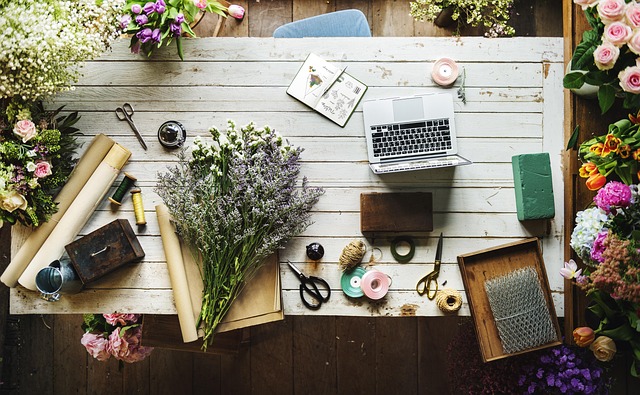
You do not need a full floristry workshop to make a strong centrepiece, but the right basics help a lot.
- Sharp floral snips or scissors: for clean stem cuts
- Clean vessel or bowl: matched to the table scale
- Floral tape or foam alternatives: depending on the design
- Water source: essential for fresh arrangements
- Soft cloth: for wiping stems and keeping the base tidy
- Neutral work surface: helps you see the shape as it develops
If you prefer a ready-made option, browsing florist choice can be a sensible shortcut, especially if you want an expert hand behind the style decisions. For occasion-specific needs, you may also find useful starting points in the any occasion category or the dedicated weddings range.
For people ordering on a schedule, it is worth checking payment information, terms and conditions, and returns and refund policy before confirming the order. It is not the glamorous part of planning, admittedly, but it avoids stress later.
If you are concerned about ethical sourcing or reducing environmental impact, the florist's sustainability information is a sensible page to review. For trust and transparency, you may also want to look at about us, guarantees, and contact us if you have a specific brief or delivery question.
Law, Compliance, Standards, or Best Practice
For most readers, creating a table centrepiece is a design decision rather than a regulated activity. Still, a few best-practice points matter, especially if you are ordering flowers for an event or business setting in the UK.
First, if you are purchasing online, it is sensible to review the florist's basic commercial information: payment methods, delivery terms, cancellation or returns guidance, privacy handling, and any guarantee statements. These are not just legal formalities; they help you understand what happens if timings change or a product arrives later than expected.
Second, if the centrepiece will be placed in a venue, hotel, or public building, confirm that your arrangement is suitable for the space. Some venues have restrictions on candles, loose decorative materials, allergens, or obstructed sightlines. Those are venue rules rather than universal laws, but they matter in practice.
Third, think about accessibility. A centrepiece should not make a table difficult to use for people who need clear sightlines, space for mobility aids, or room to reach items comfortably. A beautiful table that is hard to sit at is not actually doing its job.
Finally, if you are planning for a corporate event, consistency and reliability are part of best practice. That is where pages such as corporate accounts can be useful when you need repeat ordering, centralised billing, or ongoing floral support.
Where any detail is uncertain, ask the florist directly. A straightforward question now is cheaper than a correction on the day.
Options, Methods, or Comparison Table
Different centrepiece methods suit different budgets and event styles. This comparison should help you decide quickly.
| Method | Best for | Budget level | Strengths | Watch-outs |
|---|---|---|---|---|
| Low vase arrangement | Dinners, weddings, conversation-heavy tables | Low to medium | Clear sightlines, easy to place, elegant finish | Can feel small if underfilled |
| Basket or posy design | Informal events, home tables, gifting | Low to medium | Soft shape, easy to move, often cost-effective | May need careful watering and support |
| Tall statement piece | Large rooms, top tables, entrance areas | Medium to high | Strong visual impact, good for spacious venues | Can block views if used on small tables |
| Mixed flowers with candles | Romantic or evening settings | Low to high | Atmospheric, flexible, looks polished in photos | Needs careful spacing and venue approval for candles |
| Replicated mini arrangements | Multi-table events | Medium | Consistency across the room, easier budgeting | Requires planning to avoid monotony |
If you are planning a wedding, a dedicated style such as wedding table arrangements may be the most efficient route. For a more personal celebratory look, categories like anniversary, birthday, or congratulations can help you align the arrangement with the occasion.
Case Study or Real-World Example
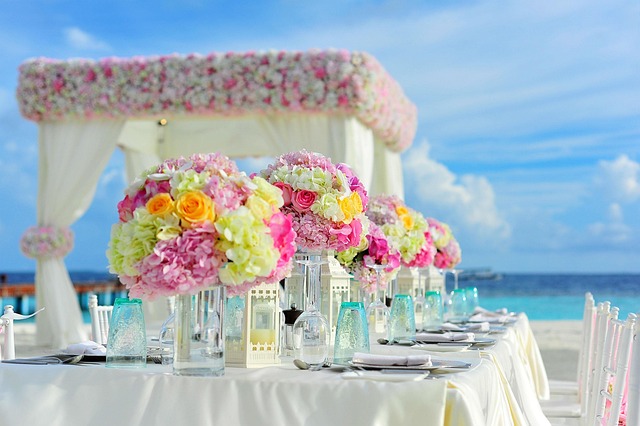
Imagine a couple planning a small wedding reception with mixed guest tables and a modest decor budget. They want the tables to feel elegant, but they also want the flowers to last into the evening and remain tidy for photographs. Instead of choosing one large expensive arrangement per table, they opt for a low, repeated design using white blooms, pale greenery, and one subtle accent colour.
They start by selecting a few sturdy flowers and keeping the palette restrained. The base includes long-lasting stems, and the focal flowers are used sparingly so the arrangement does not get top-heavy. The vessels are uniform, which makes the room feel coordinated even though the florals are simple. The top table gets a slightly fuller version, while the guest tables use smaller echoes of the same design.
The benefit is obvious. The room looks harmonious, the tables remain easy to talk across, and the couple has enough budget left for other details that matter to them. No single element tries too hard, which is usually a good sign. The whole result feels calm, polished, and genuinely welcoming.
That same logic applies to birthday lunches, family dinners, memorial tables, and business events. The size, palette, and vessel may change, but the principle stays the same: design for the table you actually have, not the one you wish you had.
Practical Checklist
Use this checklist before you buy or build your arrangement.
- Measure the table and note how much space the centrepiece can take.
- Choose the event style: formal, casual, romantic, seasonal, or corporate.
- Set a budget range and decide where to spend most of it.
- Select a simple colour palette of two or three tones.
- Pick flowers based on lifespan, availability, and shape.
- Choose a container that suits the table and the room.
- Keep the design low enough for conversation if people are seated close together.
- Check delivery timing if the arrangement is coming ready-made.
- Review care instructions so the flowers stay fresh for longer.
- Make sure the final piece looks balanced from more than one angle.
Quick takeaway: the best centrepiece is not the biggest one. It is the one that fits the table, matches the mood, and uses your budget with discipline.
Conclusion
Making a lasting table centrepiece on any budget is absolutely achievable when you start with the table, not the flowers. Decide the purpose, define the budget, choose a workable shape, and use flowers that support the design rather than compete with it. That approach creates a better-looking result and usually wastes less money too.
The best arrangements feel calm, balanced, and deliberate. They hold their shape, suit the room, and still look appealing when the conversation has settled and the candles have been lit. Whether you are planning something simple or something more luxurious, the same fundamentals apply: proportion, freshness, and thoughtful editing.
If you want a practical next step, explore the florist's categories for your occasion, compare budget levels, and review delivery and care details before you order. A little planning at the start makes the finished table feel effortless.
Get a free quote today and see how much you can save.
Frequently Asked Questions
What flowers last longest in a table centrepiece?
Carnations, chrysanthemums, germini, alstroemeria, and many well-conditioned roses are often good choices when longevity matters. The exact result depends on freshness, room temperature, water, and handling.
How do I make a centrepiece look expensive on a small budget?
Keep the palette tight, use one strong vessel, and rely on repetition rather than quantity. A controlled design with good shape often looks more polished than a crowded one.
Should a table centrepiece be tall or low?
Low arrangements usually work best for dining tables because they keep sightlines open. Taller designs can be effective for large rooms, entrance tables, or areas where conversation across the table is less important.
How far in advance can I prepare a centrepiece?
That depends on the flowers and the event timing. Many arrangements are best made as close to the event as possible, especially if you want peak freshness. If you are ordering in advance, ask about the best delivery window.
What is the easiest centrepiece for beginners?
A simple vase arrangement or a compact posy-style design is usually the easiest to manage. Both can be built with a small number of flowers and a stable base.
Can I mix fresh flowers with candles on the same table?
Yes, but do so carefully. Keep enough distance between flames and plant material, and check venue rules first. In many settings, battery candles are the simpler and safer choice.
What is the best centrepiece style for a wedding table?
Low, elegant arrangements are popular because they look refined and do not block guests from seeing each other. Matching the table width and overall wedding theme matters just as much as the flowers themselves.
How do I stop flowers wilting too fast?
Use clean water, keep them away from direct heat or sun, trim stems before arranging, and follow aftercare guidance. For extra help, refer to practical flower care advice.
What should I do if my budget only allows one arrangement?
Focus on the main table or the most visible spot, and choose a design that can later be moved elsewhere. A single well-made centrepiece can still have a big impact if it is sized correctly.
Are ready-made centrepieces better than DIY?
Neither is automatically better. Ready-made arrangements save time and reduce stress, while DIY gives you more control. The right choice depends on your confidence, schedule, and budget.
Do I need to worry about delivery timing for flowers?
Yes. Delivery timing can affect freshness, especially for events with a fixed start time. It is smart to review delivery information before ordering so you know what to expect.
Where can I find flowers for different occasions?
You can browse occasion-based categories such as any occasion, weddings, birthday, and thinking of you to narrow your options by purpose.
How do I know if a florist is reliable?
Look for clear information on guarantees, contact details, delivery terms, and returns. A transparent florist makes it easier to order with confidence and ask questions if needed.